
In a world where smart phones have become an indispensable part of our lives, finding the right iPhone that fits your budget can be a daunting task. Thrifty shoppers are always on the lookout for the perfect balance between affordability and functionality, and fortunately, there are several iPhone models that cater to this specific need. This guide is designed to assist thrifty shoppers in making an informed decision when choosing an affordable iPhone that aligns with their financial constraints and preferences. We’ll delve into the key factors to consider when selecting an iPhone, explore a selection of iPhone models known for their affordability, provide tips for finding deals and discounts, offer guidance on buying used or refurbished iPhones, and discuss additional costs such as accessories and warranties.
Factors to Consider When Choosing an Affordable iPhone
Choosing the right iPhone, especially when you’re looking for affordability, requires careful consideration of several key factors. These factors will not only help you find a phone that suits your budget but also ensure that it meets your specific needs and preferences.
First and foremost, your budget constraints play a crucial role in the decision-making process. iPhones come in a wide range of price points, and knowing how much you’re willing to spend is essential. It’s essential to set a realistic budget that considers not only the initial purchase price but also potential ongoing costs like monthly service plans, accessories, and warranties. By understanding your financial limitations, you can focus your search on iPhones within your price range, preventing overspending.
The next consideration is the features and specifications that matter most to you. iPhones offer a plethora of options, from advanced camera systems to top-notch processors and larger storage capacities. Assess your priorities carefully. If photography is a passion, prioritize a model with a superior camera. If you use your phone for intensive tasks like gaming or video editing, focus on the performance capabilities. On the other hand, if your needs are more basic, such as texting, calling, and browsing the internet, you may not require the latest and most powerful iPhone, potentially allowing you to save significantly.
Another critical decision point is whether you’re comfortable with a new, refurbished, or used iPhone. New iPhones come with the latest features and warranties but tend to be more expensive. Refurbished iPhones, sold directly by Apple, are often a great compromise, as they undergo rigorous testing and come with warranties, making them a reliable and more affordable choice. Used iPhones, while typically the most budget-friendly option, come with more risk, as their condition may vary, and they may lack warranties. Carefully weigh the trade-offs and consider your risk tolerance when deciding between these options.
Lastly, ensure that the iPhone you choose is compatible with your preferred mobile carrier. Different Affordable iPhone models support various network bands and technologies, so it’s vital to check whether the phone you’re interested in works seamlessly with your carrier’s network. Incompatibility can lead to connectivity issues, dropped calls, and slower data speeds, which can be frustrating and impact your overall Smartphone experience.
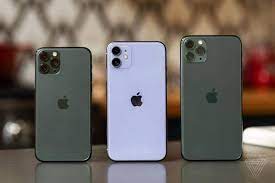
iPhone Models Known for Affordability
When it comes to affordable iPhones, Apple offers a range of models that provide excellent value for thrifty shoppers. These iPhone models balance performance, features, and price, making them appealing choices for those looking to maximize their budget.
The iPhone SE (2nd generation) stands out as an ideal entry point for budget-conscious consumers. Despite its compact size, this phone packs a punch with the A13 Bionic chip, the same powerful processor found in more expensive models like the iPhone 11. This means it can handle demanding tasks, including gaming and resource-intensive applications, with ease. The single-lens camera may not be as advanced as those on flagship models, but it still delivers impressive photo and video quality. Additionally, its relatively low price point makes it one of the most budget-friendly options in the iPhone lineup.
For those willing to consider slightly older models, the iPhone XR is an excellent choice. While it lacks some of the bells and whistles of newer iPhones, it offers a compelling package. Its Liquid Retina display is vibrant and sharp, providing an enjoyable viewing experience. The A12 Bionic chip ensures smooth performance, and the single-lens camera system is more than capable of capturing high-quality photos and videos. With a price lower than the latest models, the iPhone XR delivers a balance of performance and affordability.
The iPhone 11 continues to be a popular choice among budget-conscious consumers. It builds on the iPhone XR’s success by offering even better performance, thanks to the A13 Bionic chip, and a dual-camera system that excels in various photography scenarios. Its Liquid Retina display is bright and accurate, making it a fantastic device for multimedia consumption. The iPhone 11 strikes a balance between mid-range pricing and top-tier features, making it a great option for those seeking value for their money.
For users who prefer a smaller form factor, the iPhone 12 Mini is a compelling choice. It shares many features with the standard iPhone 12 but comes in a more compact size, making it easy to handle with one hand. The A14 Bionic chip ensures top-tier performance, and its dual-camera system is capable of capturing stunning photos and videos. The iPhone 12 Mini’s affordability, combined with its flagship-level capabilities, makes it a standout option for those seeking a smaller yet powerful iPhone.
Lastly, for the most budget-conscious shoppers, the first-generation iPhone SE, available in the used or refurbished market, provides a wallet-friendly entry into the iPhone ecosystem. While it may lack some of the advanced features of newer models, it still offers dependable performance, a reliable camera, and access to the iOS ecosystem, making it an attractive option for those looking to save money on their Smartphone purchase.
Tips for Finding Deals and Discounts
When on the hunt for an affordable iPhone, savvy shoppers know that the path to savings often involves more than just comparing prices. To secure the best deals and discounts on your desired iPhone model, consider these strategic tips and approaches:
Authorized Apple Resellers: Apple has a network of authorized resellers and retail partners, both online and in physical stores. These vendors often offer competitive pricing and may have exclusive promotions or bundles that can provide significant savings. Buying from these authorized resellers also ensures that you’re getting a genuine iPhone and access to Apple’s customer support.
Certified Refurbished iPhones: Apple’s Certified Refurbished program is an excellent way to score a discount on a reliable iPhone. These devices undergo rigorous testing, repairs, and certification by Apple, ensuring they meet the same quality standards as new iPhones. Certified refurbished iPhones come with a warranty, making them a safe and budget-friendly choice.
Take Advantage of Trade-In Programs: If you’re upgrading from an older iPhone, consider trading it in when purchasing a new one. Apple and many carriers offer trade-in programs that provide you with credit or a discount toward your new iPhone purchase. The value of your old device will depend on its condition, age, and model, but this can be a convenient way to reduce the cost of an upgrade.
Keep an Eye on Seasonal Sales and Promotions: Timing your purchase can yield significant savings. Retailers often run special promotions during key shopping seasons, such as Black Friday, Cyber Monday, or back-to-school sales. These events typically feature price reductions, bundled accessories, or gift cards with your purchase. Patience can pay off when it comes to snagging the best deal.
Utilize Educational Discounts: If you’re a student, educator, or work in the education sector, you may be eligible for Apple’s educational pricing. This discount program offers reduced prices on various Apple products, including iPhones. Be prepared to provide proof of your eligibility, such as a school ID or other documentation.
Consider Financing Options: Many carriers and retailers offer financing options that allow you to spread the cost of your iPhone over several months. While this doesn’t reduce the overall price, it can make owning a new iPhone more manageable by breaking it into smaller, monthly payments.
Explore Third-Party Sellers and Online Marketplaces: While it’s essential to exercise caution, exploring third-party sellers and online marketplaces can sometimes yield competitive pricing. Be sure to research the seller’s reputation, read reviews, and verify the iPhone’s condition and authenticity before making a purchase. Ensure that you’re not buying a counterfeit or stolen device.
Best Practices for Buying a Used or Refurbished iPhone
Opting for a used or refurbished iPhone can be a smart way to save money while still getting a reliable device, but it requires a cautious and informed approach. To ensure a successful purchase and avoid potential pitfalls, consider the following best practices:
Research and Compare Prices: Start by researching the current market prices for the specific iPhone model you’re interested in. Compare prices across different platforms, including Apple’s Certified Refurbished program, reputable online retailers, and local sellers. This research will help you establish a reasonable price range and identify potential deals.
Check for Warranty and Return Policies: When buying a refurbished iPhone, make sure it comes with a warranty. Apple’s Certified Refurbished iPhones, for example, typically include a warranty, providing peace of mind in case any issues arise. Additionally, understand the seller’s return policy, as it can vary from one source to another. A flexible return policy can be invaluable in case you encounter unexpected problems with the device.
Examine the Device’s Condition and History: Thoroughly inspect the iPhone’s condition, both visually and functionally. Check for physical damage, such as scratches, dents, or cracked screens, as well as signs of water damage. Test all buttons, ports, and features to ensure they work correctly. Request information about the device’s history, including whether it has been repaired or refurbished before and if it has been subjected to any significant damage.
Verify the IMEI or Serial Number: Before finalizing the purchase, obtain the iPhone’s IMEI or serial number and verify it. This step can help you ensure that the device is not stolen or blacklisted. You can check the status of the device using online IMEI-checking services or by contacting your carrier.
Meet in Safe, Public Places: When buying a used or refurbished iPhone from an individual seller, arrange to meet in a safe, public location to complete the transaction. This precaution helps minimize the risk of potential scams or unsafe encounters. If possible, meet during daylight hours and bring a friend or family member with you for added security.
Ask for Proof of Purchase or Ownership: Request the seller’s proof of purchase or ownership, such as a receipt or original packaging. This documentation can serve as evidence of the iPhone’s legitimacy and help establish its history. Be wary of sellers who cannot provide any proof of ownership.
Trust Reputable Sellers: Whether you’re buying from a brick-and-mortar store, online retailer, or individual seller, prioritize reputable sources with positive reviews and a track record of customer satisfaction. For online purchases, read reviews and feedback from previous buyers to gauge the seller’s reliability.
Accessories and Additional Costs to Consider
When purchasing an iPhone, it’s essential to consider not only the upfront cost of the device but also the additional costs associated with owning and using it. These expenses, while not as prominent as the phone’s price, can significantly impact your overall budget. Here are some key accessories and additional costs to keep in mind:
Protective Cases and Screen Protectors: Investing in a high-quality protective case and a tempered glass screen protector is crucial to safeguard your iPhone from accidental drops and scratches. While these accessories may add to your initial expenses, they can save you from costly repairs or replacements down the line.
Charger and Cables: While iPhones typically come with charging cables and adapters, you may need to purchase additional charging accessories, such as spare cables or wireless charging pads, for added convenience. It’s essential to choose Apple-certified accessories to ensure compatibility and safety.
AppleCare or Insurance: Consider whether you want to invest in AppleCare or third-party insurance coverage for your iPhone. These protection plans can provide peace of mind by covering repairs, accidental damage, and even theft or loss, but they come with an associated cost. Evaluate your risk tolerance and the potential value of such coverage.
Headphones and Audio Accessories: Depending on your preferences, you may want to invest in high-quality headphones, earbuds, or Bluetooth speakers to enhance your audio experience with your iPhone. Apple’s AirPods or other premium audio accessories can be an additional expense.
Storage Upgrades: iPhones come in various storage capacities, and opting for a larger storage option can increase the upfront cost. However, if you find yourself frequently running out of space due to photos, videos, apps, and files, investing in more storage can save you from needing to delete or manage your data constantly.
Apps and Subscriptions: While many apps on the App Store are free, some require one-time purchases or subscriptions. Consider your app needs and any subscription services you want to use, such as music streaming, cloud storage, or productivity apps, as these recurring costs can accumulate over time.
Repair and Maintenance Costs: iPhones, like any electronic device, may require repairs or maintenance during their lifespan. Be prepared for potential out-of-warranty repair costs, such as screen replacements or battery replacements, which can be significant expenses.
Accessories for Specific Needs: Depending on your usage patterns, you may require additional accessories such as car mounts, external battery packs, or photography equipment. These niche accessories can enhance your iPhone experience but should be factored into your overall budget.